My PCHE has a problem.
What should I do next?
When a PCHE is losing duty, gaining pressure drop or suspected of leaking, the decision to continue operating, clean, repair, modify or replace it needs a defensible, independent basis — not an assumption.
Evidence inside a PCHE is perishable. Once a unit has been cleaned, flushed or disturbed, much of what would explain the problem is gone with it. Talk to us before that happens, not after.

RootCause
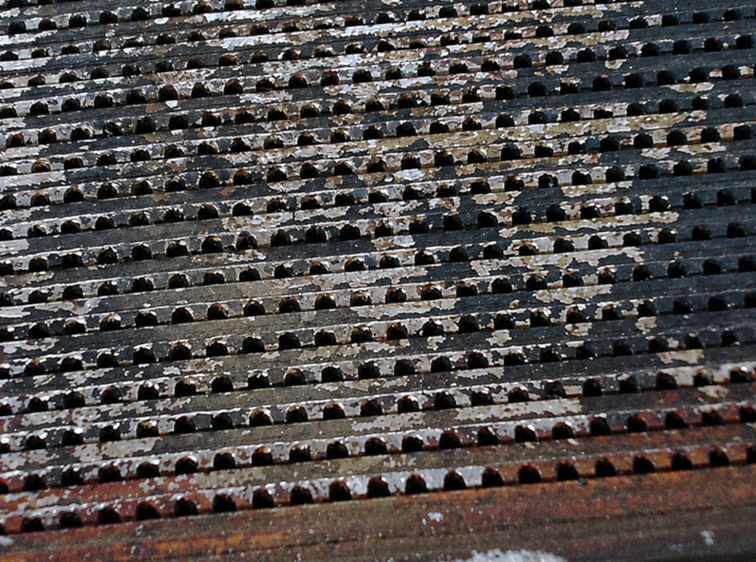
What is actually causing the underperformance?
Independent investigation of leaks, excessive pressure drop, lost duty and recurring reliability problems — using forensic, metallurgical and operating evidence to establish what the evidence actually supports.
- The unit is about to be cleaned, flushed or disturbed — and once it is, the evidence goes with it.
- Duty has fallen or pressure drop has risen and there is no independent way to check why.
- A leak is suspected and the cause needs confirming by someone with no stake in the answer.
- The same failure has happened before and the cause was never actually established.
- An investigation exists, but no independent party has reviewed it.
- The decision to continue, clean, repair, modify or replace needs a name behind it — and right now, there is nothing independent behind that name.

ReWork
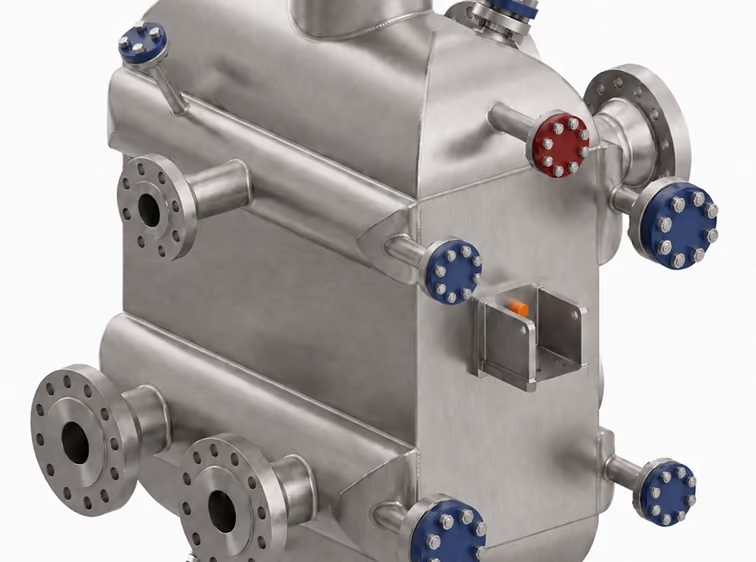
The unit needs repair or modification. Who designs it?
Fabrication-ready engineering for repairs, modifications and re-rating outside the sealed core: headers, supports, connections, service-point retrofits and loading or envelope changes. Dolumï designs the repair or upgrade; a qualified fabricator of the client's choosing builds it.
- An outage is being scoped and there is still no fabrication-ready repair plan behind it.
- Cleaning is no longer holding and a repair or retrofit is being discussed without a design behind it.
- A replacement has been requested at a lead time that will not fit the outage — and a PCHE is not a stock item.
- Loading, pressure or temperature conditions have shifted and the original design was never re-assessed against them.
- The scope is about to be frozen, and the budget for this outage is already committed — getting the intervention wrong means paying for it twice.
- A fabricator needs drawings and acceptance criteria, not a description of the problem.
- A repair is being completed with no documented basis for returning the unit to service.

LifeGuard

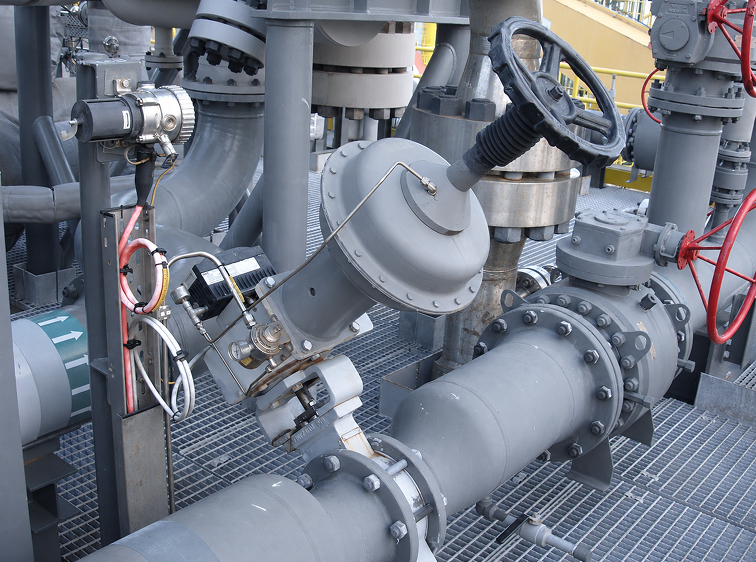
How much life is really left inside the unit?
Risk-based inspection, degradation assessment and remaining-life evaluation, developed specifically for equipment that conventional inspection cannot reach — so the decision to keep running has a defensible basis behind it.
- An inspection interval has fallen due on equipment no conventional method can inspect.
- The unit keeps running and no one has put a defensible basis behind that decision.
- The unit is trusted because it has always run — not because anyone has checked what is happening inside.
- A shutdown or replacement is being planned without a clear picture of remaining life.
- Spares and maintenance are being scheduled against an assumed condition, not a known one.
- A HAZOP or HAZAN is coming up and needs input specific to sealed-core equipment.

ExpertView

When interests diverge, who provides the neutral view?
Independent second opinions and owner's engineer support when a technical position is contested — giving the case an author whose independence can withstand examination.
- A technical explanation does not hold up and there is no independent way to test it.
- A warranty or insurance claim is contested and neither side is neutral.
- The same failure has appeared on a second asset and the explanation has not changed.
- A technical position needs to hold up in public, not just internally.
- Continued operation has been signed off with no written, independent basis behind it.
- A second opinion is needed that cannot be dismissed as biased.
Provided
Perspectives.

.avif)




The unit cannot be opened. The decision still has to be made.
Before you accept it, or before you clean it — talk to us first.


Choose your cookie settings
Cookie Settings
Privacy is important to us, which is why you have the option to disable certain types of data storage that are not necessary for the basic functioning of the website. Blocking certain categories may affect your experience on the website. More information